The Only Pre-MOT Checklist You'll Ever Need
Published on: Friday, 27 March 2026 | Author: Jessica Bird

MOT tests can feel daunting, even for experienced drivers. The good news is that many MOT failures are caused by simple, avoidable issues; things you can often spot yourself with a quick check before test day. Taking a few minutes to work through a pre-MOT checklist can help you feel more confident, and reduce the risk of unnecessary surprises.
This article explains what to check before booking your MOT, focusing on the most common areas that cause problems, without requiring specialist tools or mechanical knowledge.
What is a pre-MOT checklist?
A pre-MOT checklist is a simple set of checks you carry out before your MOT appointment. It’s designed to help you identify issues that could cause a failure, giving you time to address them in advance.
It’s important to remember that a pre-MOT check isn’t a repair or a mechanical inspection. Instead, it focuses on visibility, safety, and basic functionality, the same areas MOT testers look at first.
Why cars fail MOTs more often than you think
Many drivers assume MOT failures are caused by major mechanical faults, but that’s not always the case. In reality, issues such as faulty lights, worn tyres, damaged wipers, or warning lights are among the most common reasons vehicles don’t pass first time.
By checking these items before your test, you can often avoid a retest and the inconvenience that comes with it.
What to check before your MOT
Before your MOT, take a few minutes to work through the checks below. They cover some of the most common MOT failure points, and can easily be looked at at home.
Lights
Faulty or broken lights are one of the most common reasons cars fail an MOT, which is why it’s worth checking them carefully before your test. Your vehicle must be clearly visible to other road users at all times, and every exterior light is assessed during the MOT.
Take a moment to check that all exterior lights are working correctly, including:
- Headlights (dipped and main beam)
- Brake lights
- Hazard lights
- Fog lights
- Reversing lights
- Indicators
- Rear and side lights
- Number plate lights
If possible, ask someone to help you check the lights while you operate them from inside the car. Alternatively, parking near a wall, garage door, or other reflective surface can make it easier to see whether each light is working properly.
Windscreen
Inspect the windscreen for chips or cracks, especially in the driver’s line of sight. Damage larger than 10mm in this area can result in an MOT failure.
It’s also a good idea to remove any attachments, such as sat navs or phone holders, that could obstruct the tester’s view.
Windscreen wipers
Your windscreen wipers are essential for maintaining clear visibility, especially in poor weather. During an MOT, wipers are checked to ensure they can effectively clear the windscreen without obstructing the driver’s view.
Before your test, check that all wipers (front and rear) are in good condition. Look out for:
- Split or worn rubber
- Smearing or streaking when in use
If a wiper blade looks worn, replacing it before your MOT is quick and inexpensive.
Washers
Test the washer jets to make sure they spray effectively and reach the windscreen. This is also a good opportunity to top up screen wash if levels are low.
Brakes
Your brakes are one of the most important safety features on your vehicle, and while a full inspection isn’t possible without specialist equipment, there are still a few useful checks you can do before your MOT.
Start by checking the brake fluid reservoir under the bonnet and make sure the level sits between the minimum and maximum marks. Low brake fluid can sometimes indicate wear, or a potential issue that’s worth addressing before test day.
You should also pay attention to how the brakes feel when you’re driving. Make sure:
- The brake pedal feels firm, not spongy or soft
- The car slows smoothly without juddering
- The brakes respond promptly when pressed
Any unusual noises, vibrations, or changes in braking performance should be noted ahead of the test, as they may indicate an issue that requires further attention.
Tyres
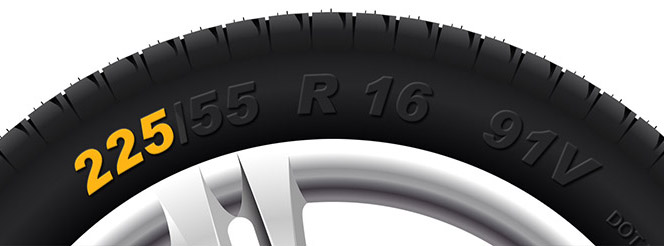
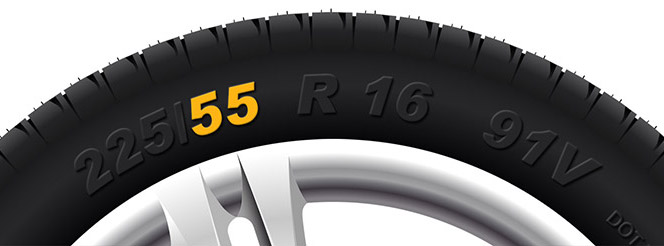
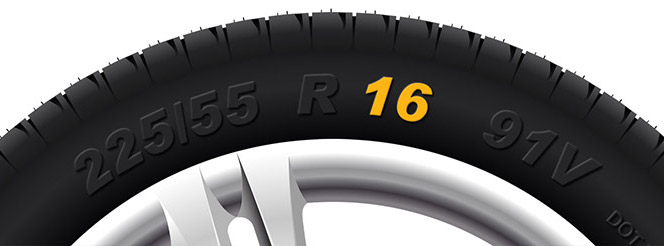
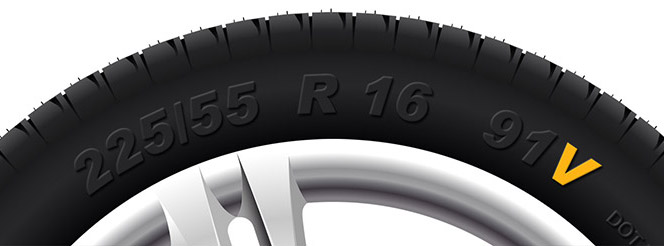
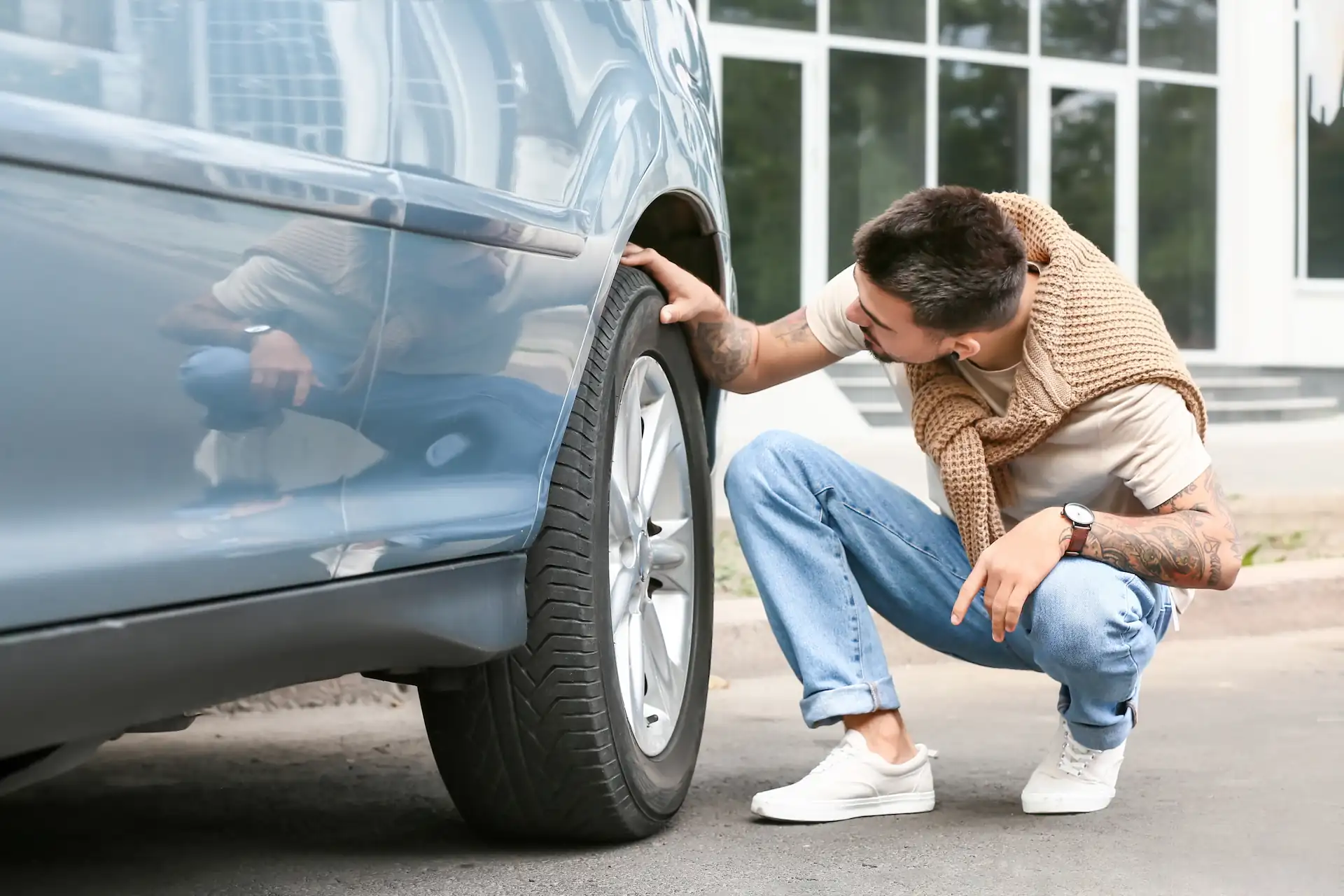
Tyres play a major role in both road safety and MOT results, and they’re one of the most common reasons vehicles fail their test. Because tyres are the only part of your car that makes contact with the road, even minor damage or wear can be enough to cause an issue.
Before your MOT, take a few minutes to inspect each tyre and look out for:
- Cuts, cracks, or bulges in the sidewall
- Uneven wear
- Any foreign objects embedded in the tread
Check the tread depth as well. The legal minimum is 1.6mm across the central three-quarters of the tyre. A simple way to check is with a 20p coin; if you can see the outer band of the coin when placed in the tread, the tyre is likely below the legal limit.
Steering
Pay attention to how the steering feels while driving. Warning signs include:
- Excessive play in the steering wheel
- Pulling to one side
- Unusual knocking or creaking noises
These could indicate a steering issue that needs attention.
Horn
Check that the horn works properly and produces a clear, continuous sound that other road users can hear.
Number plates
Ensure both the front and rear number plates are:
- Securely attached
- Clearly visible
- Free from excessive dirt or damage
Clean your car
If a vehicle is excessively dirty, an MOT tester may refuse to carry out the inspection. Giving your car a quick clean beforehand can help ensure nothing is missed during the test.
What you don't need to worry about before your MOT
Not everything affects your MOT result. Cosmetic damage, minor interior wear, or a slightly untidy engine bay won’t usually cause a failure. Focusing on the checklist above helps you prioritise what actually matters.
Can you so a pre-MOT check yourself?
Yes, most drivers can carry out these checks without any specialist tools. A pre-MOT checklist is about spotting visible issues and basic functionality, not carrying out repairs.
If something doesn’t seem right, it’s better to identify it early rather than discovering it on test day.
Booking your MOT with Tyre Pros
Once you’ve worked through your pre-MOT checklist, the next step is booking your MOT. Tyre Pros centres carry out reliable MOT testing, helping drivers check their vehicles meet legal safety and environmental standards.
By taking the time to prepare beforehand, you can head into your MOT feeling informed, confident, and ready for the test.